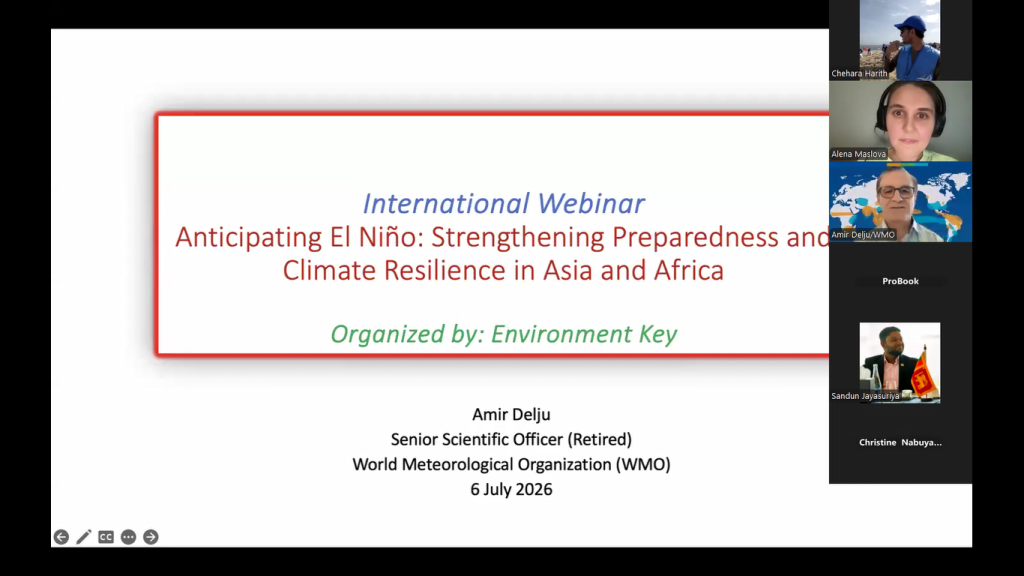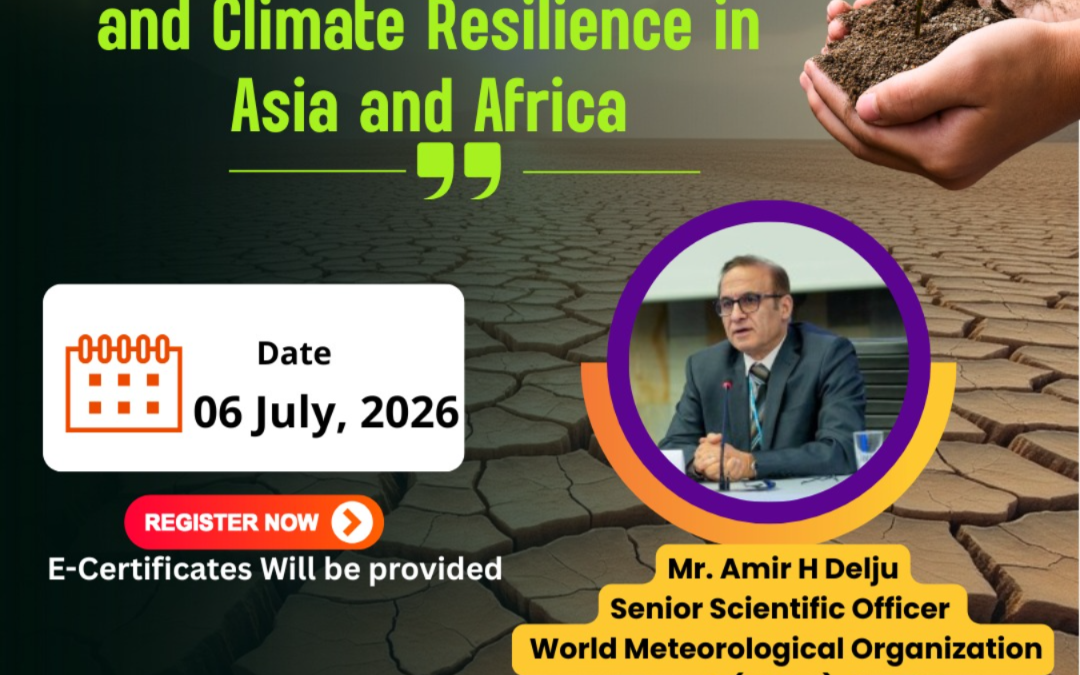
The webinar, “Anticipating El Niño: Strengthening Preparedness and Climate Resilience in Asia and Africa” was held on 06 July 2026 at 7:30 PM Sri Lanka Time. The Institute of Environmental Professionals Sri Lanka (IEPSL), together with its Youth Environmental Professionals Forum (YEPF), participated as a partner in this international webinar, which was organised by Environment Key Global in collaboration with the World Meteorological Organization (WMO) and the International Association of Students in Agricultural and Related Sciences (IAAS) Sri Lanka.
The webinar focused on the growing importance of understanding the El Niño phenomenon within the wider context of climate change and increasing climate-related risks. It brought together international expertise to examine the possible impacts of El Niño across Asia and Africa while exploring practical approaches to strengthening preparedness, adaptation, and long-term climate resilience.
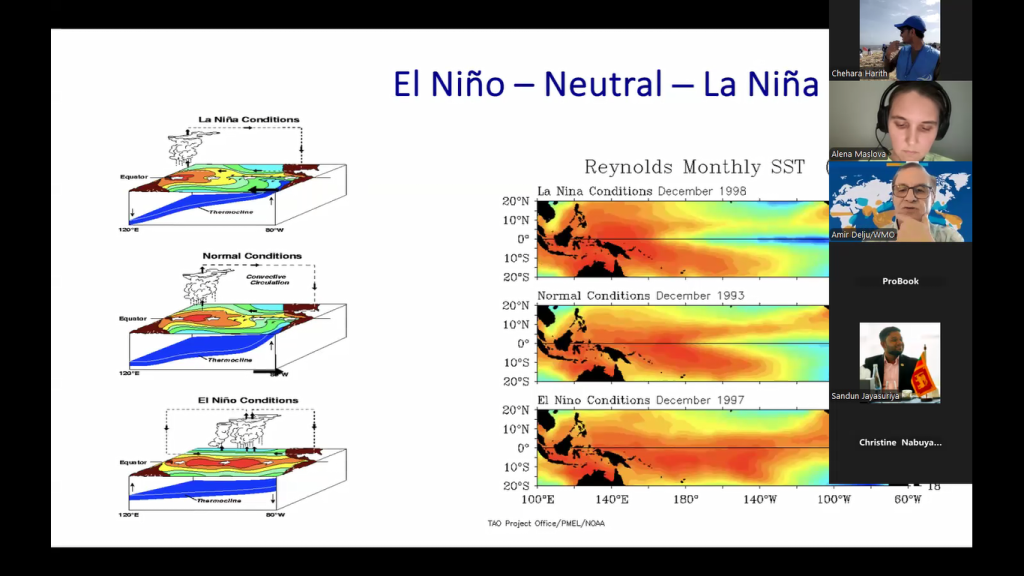
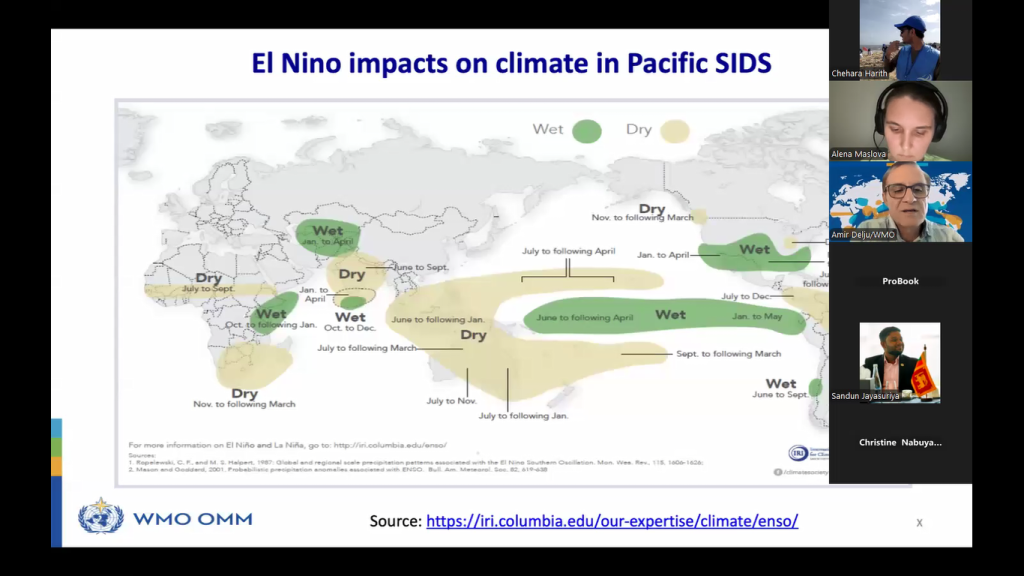
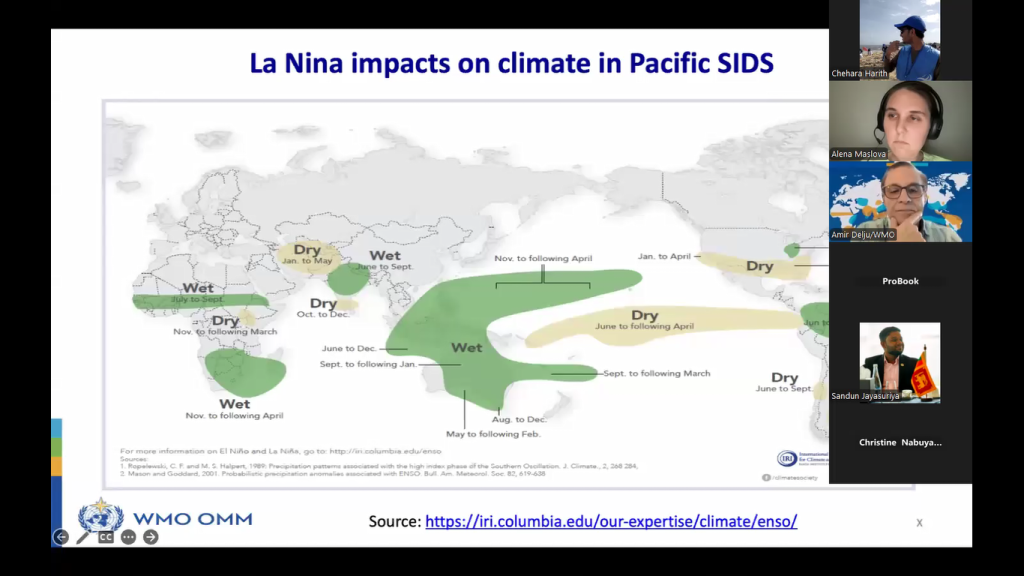
The session featured Mr Amir H. Delju, Senior Scientific Officer of the World Meteorological Organization (WMO), as the guest speaker. He shared valuable scientific insights into the El Niño phenomenon, its development, potential impacts, and the wider risks it can create for vulnerable sectors and communities. His presentation highlighted how changing climate conditions associated with El Niño may affect agriculture, water resources, food security, public health, livelihoods, and socio-economic development.
The discussion also emphasised the importance of strengthening early warning systems, disaster preparedness, climate adaptation, and resilience-building strategies. Effective early warning mechanisms can provide governments, organisations, communities, farmers, businesses, and other stakeholders with timely information that enables them to prepare for and respond to emerging climate-related hazards before they develop into more serious impacts.
The webinar further highlighted that building climate resilience requires coordinated action across different levels of society. Governments and institutions have an important role in developing effective policies, strengthening climate information services, improving infrastructure, and supporting disaster risk reduction initiatives. At the same time, communities and local organisations can contribute practical knowledge and locally appropriate approaches to climate adaptation and preparedness.
Particular attention was given to the important role of young people in addressing future climate challenges. Youth engagement, environmental education, research, innovation, and community participation were recognised as essential for building a generation that is better informed and prepared to respond to environmental risks. Through platforms such as YEPF and IAAS Sri Lanka, young professionals and students can make meaningful contributions to climate awareness, research, advocacy, and practical resilience-building initiatives.
The webinar provided a valuable platform for international knowledge exchange and collaboration, demonstrating the importance of bringing together scientific expertise, professional organisations, institutions, communities, and young people. It reinforced the need for coordinated approaches to climate preparedness, particularly as climate-related risks increasingly cross national and regional boundaries.
Overall, the webinar served as a timely reminder of the importance of moving beyond climate awareness towards practical preparedness and action. Strengthening climate knowledge, improving early warning systems, investing in adaptation measures, and encouraging collaboration between different sectors will be essential for building stronger and more climate-resilient communities across Asia and Africa. Through its participation in this international initiative, IEPSL and YEPF continue to support environmental awareness, professional engagement, youth participation, and collaborative action towards a more sustainable and climate-resilient future.
The webinar was organised by Environment Key Global in partnership and collaboration with the World Meteorological Organization (WMO), the Institute of Environmental Professionals Sri Lanka (IEPSL), the Youth Environmental Professionals Forum (YEPF) of IEPSL, and the International Association of Students in Agricultural and Related Sciences (IAAS) Sri Lanka.