
Decentralised and multilevel governance, involving diverse societal actors, is becoming increasingly important for addressing vulnerabilities arising from climate change. Within these approaches, Citizen Science has emerged as a participatory form of scientific inquiry in which citizens contribute to different stages of the research process, including data collection, environmental monitoring, and knowledge development. Through this involvement, communities become active contributors to both scientific research and evidence-based policy.
Citizen Science commonly involves volunteer participation, systematic data generation, and engagement with locally relevant socio-environmental issues. Its benefits include expanding the availability of scientific information, incorporating local knowledge and priorities, encouraging environmentally responsible behaviour, and strengthening public understanding and trust in science. These approaches can therefore support more inclusive and sustainable forms of environmental governance (Albagli and Iwama, 2022, Freschi et al., 2024).
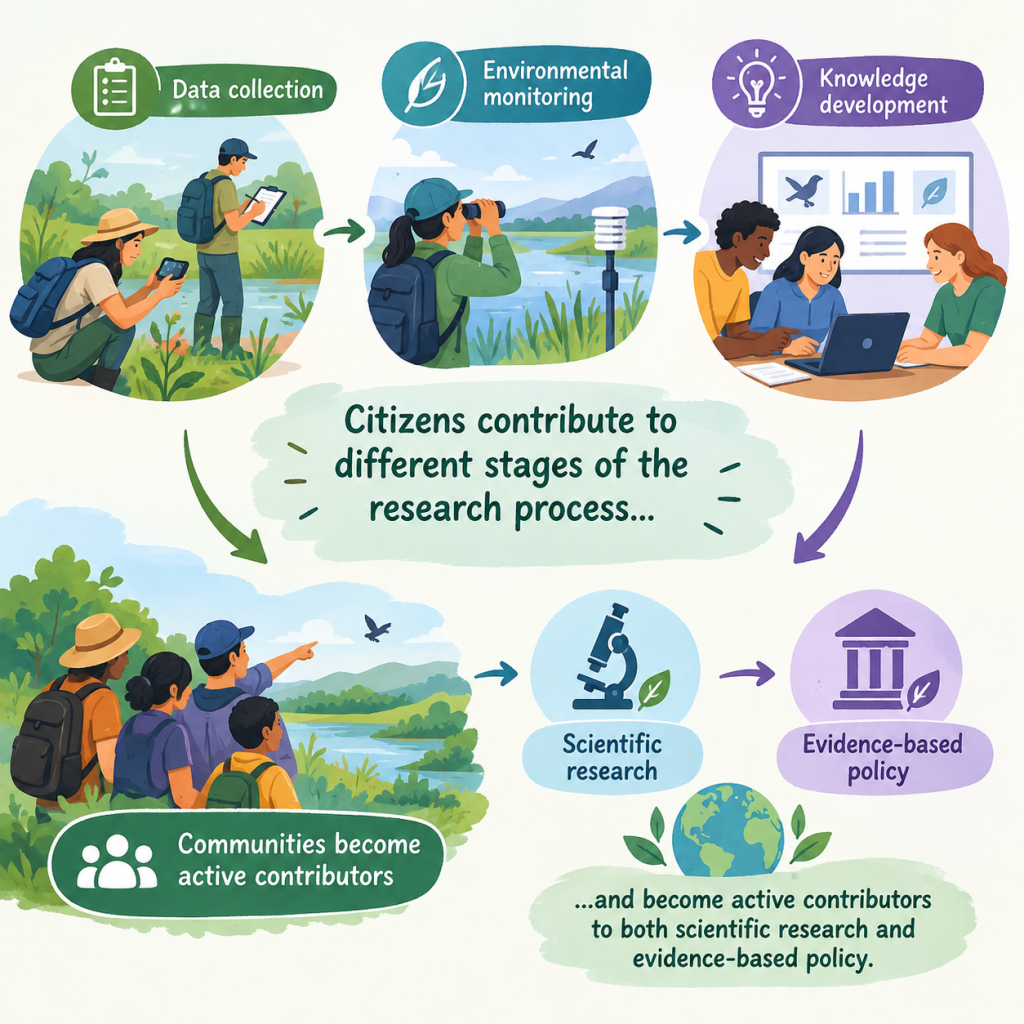
Figure 01: From community observations to scientific
knowledge: Citizen Science in action
Success Stories from Worldwide
Successful Citizen Science networks demonstrate how digital platforms can connect communities, researchers, and policymakers to generate large-scale environmental information. iNaturalist (iNaturalist, 2026) is a prominent global biodiversity platform that enables citizens to photograph and record plants, animals, fungi, and other organisms. These observations are contributed by users worldwide and can be validated through community and expert participation, creating valuable datasets for biodiversity research, conservation, and environmental monitoring.
Similarly, eBird, developed by the Cornell Lab of Ornithology (Cornell Lab of Ornithology, n.d.), engages birdwatchers in over 200 countries to document bird sightings and distributions systematically. Its extensive and continuously expanding database supports biodiversity research, species monitoring, and conservation planning. Beyond data collection, eBird empowers citizens to contribute actively to scientific knowledge and environmental decision-making, demonstrating the potential of citizen science to broaden public participation and strengthen the scope and impact of scientific research.
Citizen Science in Wetland Restoration
Wetlands provide essential ecosystem services, including biodiversity conservation, carbon storage, and flood regulation, yet their continued degradation highlights the need for effective restoration and monitoring. A global assessment of 120 restoration sites found that citizen science was incorporated into fewer than 20% of projects. Advances in low-cost sensors, remote sensing, and mobile technologies offer new opportunities for community-based monitoring. Integrating citizen-generated data can enhance ecological assessments, support adaptive restoration, reduce monitoring costs, and strengthen public engagement, contributing to more inclusive and sustainable wetland restoration (Cui et al., 2026).
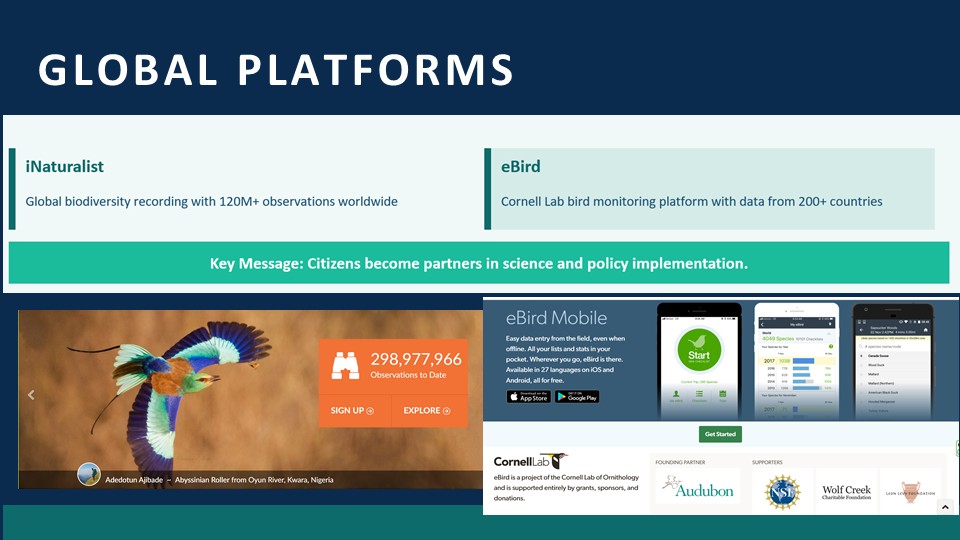
Figure 02: Global success stories in Citizen Science
Figure 3 depicts a global overview of wetland restoration projects that use citizen science for ecological monitoring (n
= 120). Together, these findings demonstrate the current global reach of citizen science in wetland restoration and
highlight opportunities to expand community-based environmental monitoring.
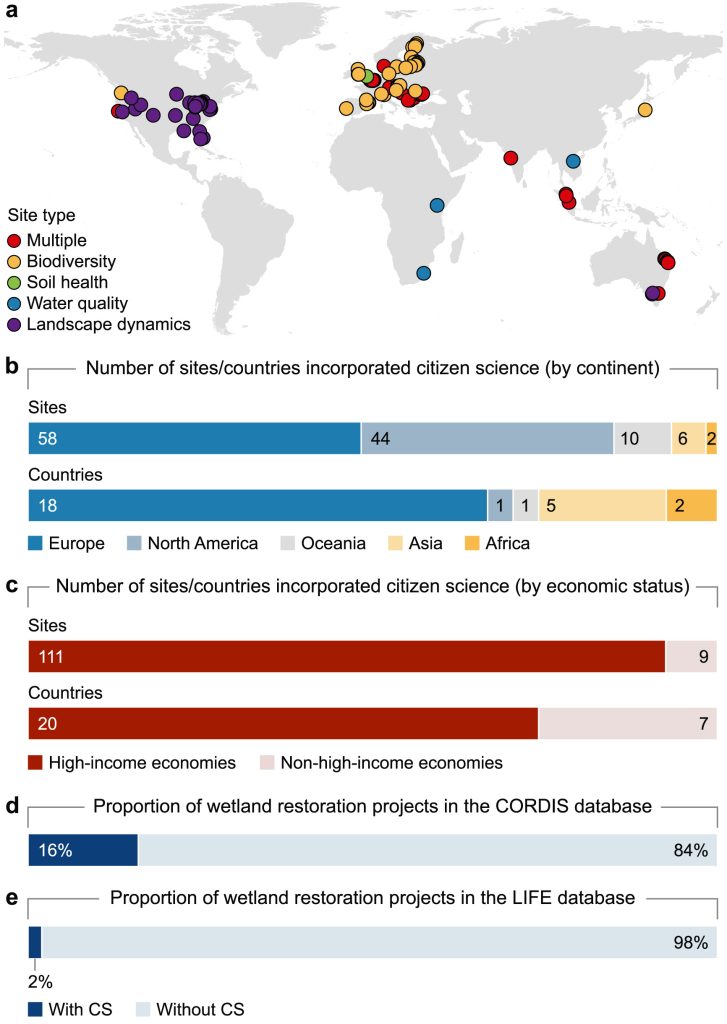
Figure 3: Geographic and institutional distribution of wetland restoration projects involving Citizen Science (Cui et al., 2026). (a) shows the geographic distribution of sites and their main monitoring themes, including water quality, biodiversity, soil health, and landscape changes. (b) compares participating countries and sites across continents, while (c) highlights differences between high-income and other economies. (d) and (e) show the proportion of restoration projects incorporating citizen science within the different databases, respectively.
Harnessing Foresters’ Engagement for Climate Change Adaptation
Citizen Science is evolving beyond simple, short-term data collection to involve participants in complex ecological experiments. The My Garden of Trees initiative demonstrates this emerging “next-generation citizen science” approach, engaging more than 300 foresters across Europe in a five-year experiment to evaluate how different seed origins perform under changing climatic conditions (Bison et al., 2026). Figure 4 depicts how participants contributed their professional knowledge, conducted field experiments, and collaborated with researchers to develop tools for selecting suitable tree species and provenances for climate adaptation. The project demonstrates how specialized citizen expertise can expand the scale of ecological research while generating robust, practical evidence for climate-resilient forest management.
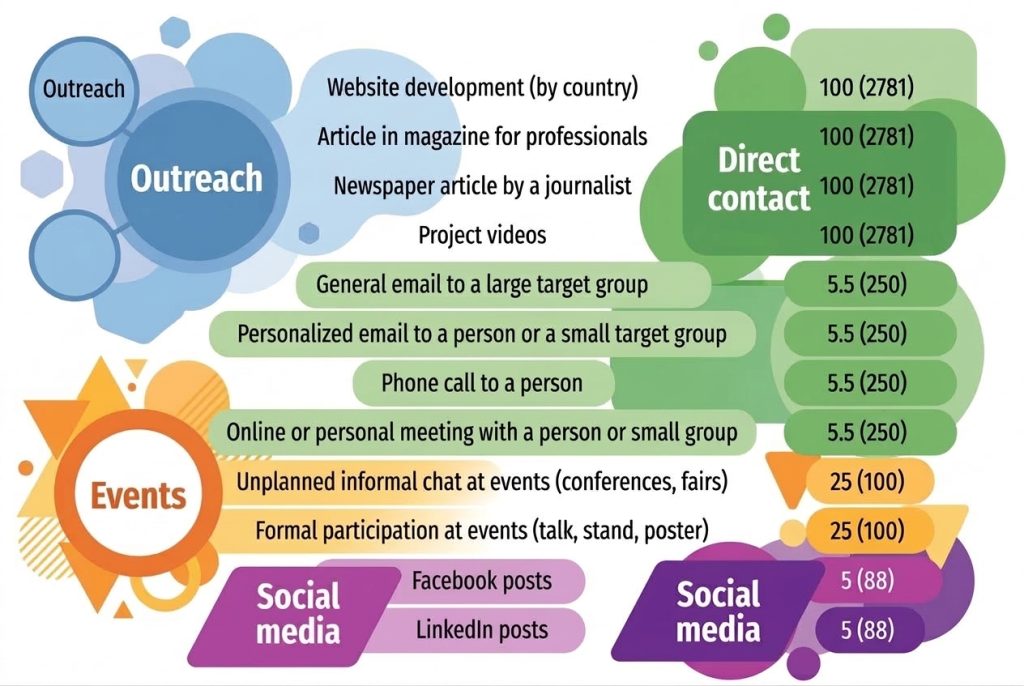
Figure 4: Four key recruitment approaches used across 20 European countries, highlighting
outreach methods and audience reach through local networks, events, websites, and social media
(Bison et al., 2026)
Why Citizen Science Matters for Sri Lanka?
Sri Lanka is increasingly confronted with a range of environmental pressures, including climate-related hazards, deterioration of marine and coastal ecosystems, and persistent challenges associated with solid waste management. Addressing these issues effectively requires more than institutional and governmental interventions; meaningful and continuous involvement of local communities is equally important.
Citizen Science provides an effective mechanism for engaging the public in environmental observation and data collection while simultaneously strengthening environmental knowledge, community ownership, and participation in decision-making processes. Adapting successful international models to local needs could therefore strengthen environmental awareness, community participation, scientific knowledge, and evidence-based sustainability planning across Sri Lanka.
Currently, the Ministry of Science and Technology has launched an initiative in this regard while deploying Vidatha Centers located in the country, which is commendable. The citizen science approach can contribute to issues namely climate-related monitoring through a range of locally based activities, including:
- Recording and reporting extreme weather events and their impacts at the community level.
- Observing changes associated with climate variability in agricultural systems, water availability, biodiversity, and household livelihoods.
- Recording traditional and locally developed adaptation measures, including nature-based approaches for reducing climate-related risks.
- Conducting community awareness programmes on climate change mitigation, adaptation, preparedness, and resilience.
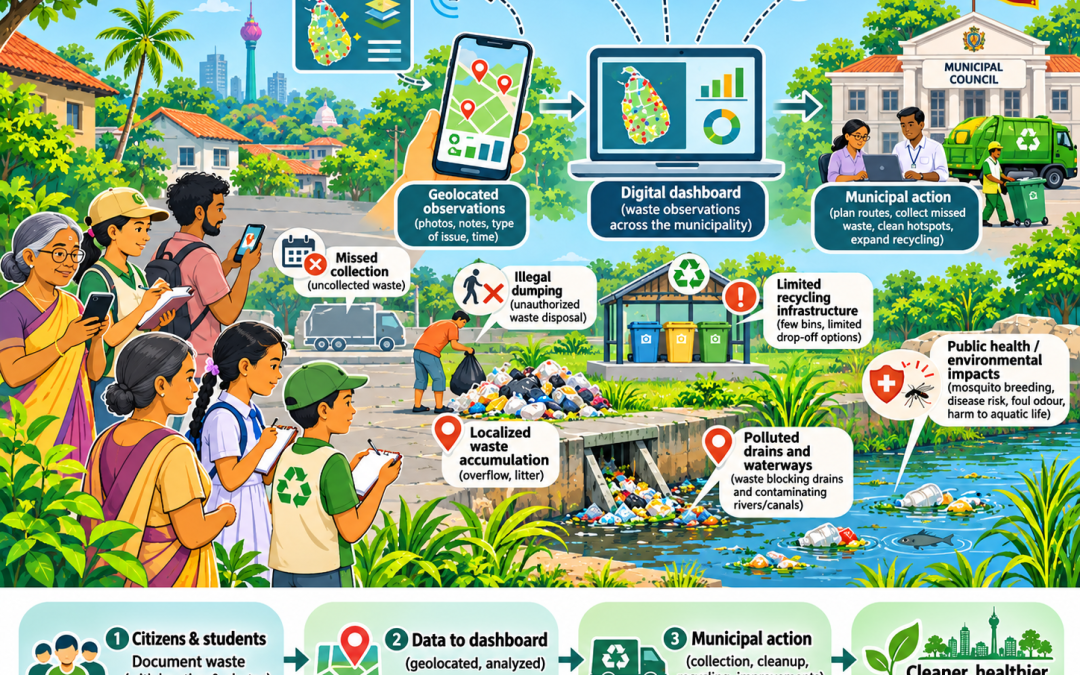
Citizen science can play a significant role in addressing municipal solid waste management challenges in Sri Lanka, including inadequate waste collection, improper disposal, limited recycling facilities, and localized waste accumulation. Community-generated data can help identify pollution hotspots, improve waste management planning, and provide detailed local observations that complement existing environmental and climate monitoring systems. These datasets can also support national climate reporting, contribute to the implementation and monitoring of Sri Lanka’s Nationally Determined Contributions (NDCs), and strengthen climate vulnerability and resilience assessments at provincial, district, and community levels.
Another example that can be highlighted through the protection of marine and coastal environments which are of particular importance to Sri Lanka as an island nation. These ecosystems support fisheries, tourism, food security, employment, and numerous other economic and social activities. However, increasing pollution, habitat degradation, biodiversity loss, coastal erosion, and other human-induced pressures threaten their long-term sustainability. Citizen Science activities under marine and coastal protection may include:
- Conducting systematic assessments of plastic and other forms of coastal pollution, including beach-cleaning activities supported by standardized recording procedures.
- Observing and documenting marine biodiversity, including fish populations, coral reef condition, and sightings of marine mammals, turtles, and other large marine species.
- Recording changes in shoreline conditions, coastal erosion, sea-level-related impacts, and consequences for coastal settlements and livelihoods.
- Undertaking basic water-quality observations in lagoons, estuaries, and selected nearshore environments.
- Promoting community awareness and participation in sustainable fisheries, responsible resource use, and marine conservation.
Citizen Science can provide a practical mechanism for identifying local waste-management problems while encouraging communities to participate in their resolution. Potential activities of the Citizen Science engagement can include:
- Conducting community-level waste audits to determine the types, quantities, and patterns of waste generated in different localities.
- Mapping and monitoring waste-collection services, disposal practices, and locations affected by unauthorized dumping.
- Identifying and periodically documenting plastic accumulation sites in urban, rural, terrestrial, and freshwater environments.
- Monitoring local initiatives related to waste minimization, reuse, recycling, and resource recovery.
- Conducting community education programmes on waste separation at source, sustainable consumption, resource efficiency, and circular-economy concepts.
Overall, citizen science can serve as an effective interface between communities and government, transforming local environmental observations into credible evidence for environmental monitoring and policy development in Sri Lanka. Beyond enhancing environmental literacy and community stewardship, its success depends on clear institutional governance, stakeholder collaboration, standardized data collection protocols, and ethical safeguards. Integrating citizen-generated data into national environmental databases can strengthen monitoring systems, support evidence-based policymaking, and contribute to sustainable environmental management.
References
Albagli, S. and Iwama, A.Y., 2022. Citizen science and the right to research: building local knowledge of climate change impacts. Humanities and Social Sciences Communications, 9(1).
Bison, M., N. Ponta, D. M. Schweizer, and K. Csilléry. 2026. “Harnessing Foresters’ Engagement for Climate Change Adaptation: The Emerging Tool of Next-Generation Citizen Science.” Global Change Biology Communications 1, no. 2: e70026. https://doi.org/10.1002/gcb4.70026.
Cui, S., Guo, H., Pugliese, L., Kragh, G., Mena, S. and Wu, S., 2026. Citizen science powers wetland restoration. Environmental Science and Ecotechnology, p.100656.
Freschi, G., Menegatto, M. and Zamperini, A., 2024. Conceptualising the link between citizen science and climate governance: A systematic review. Climate, 12(5), p.60.
iNaturalist (2026) iNaturalist: A community for naturalists. Available at: https://www.inaturalist.org/ (Accessed: 7 September 2026).
Cornell Lab of Ornithology (n.d.) eBird Explore. Available at: https://ebird.org/explore (Accessed: 7 September 2026).
The article was originally published in the IEPSL Newsletter Volume 03 Issue 03 of 2026 (ISSN 3021-6133).
Visit: https://www.iepsl.lk/wp-content/uploads/2026/11/IEPSL-Newsletter-2026-September-Vol-3-Issue-3.pdf
Author:

Dr. Pabasari Arundathi Koliyabadara
Senior Lecturer,
Faculty of Technology,
University of Sri Jayewardenepura.
Membership No.: M00741