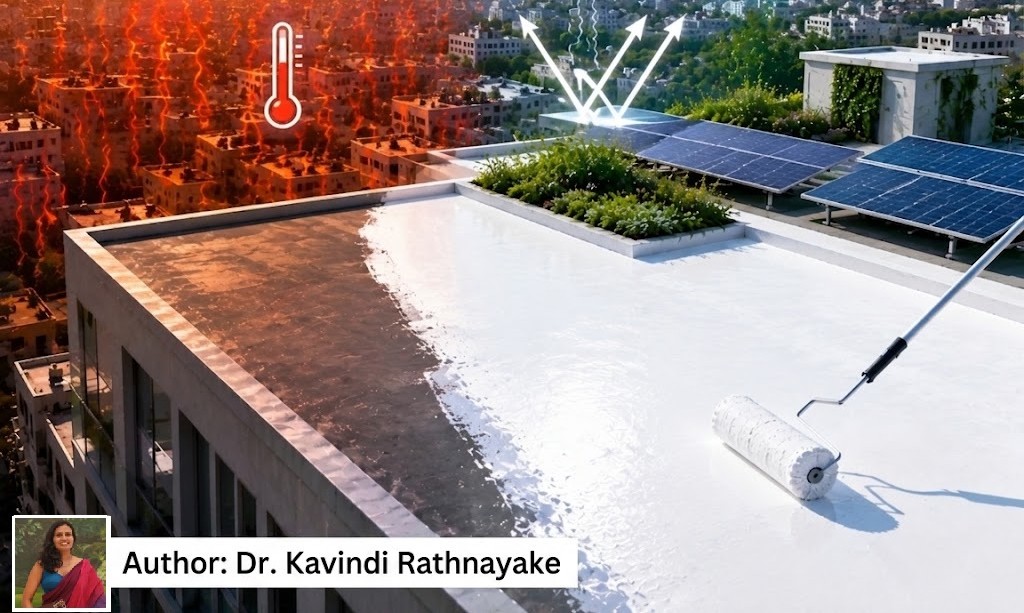
Across the world, cities are learning that their best defence against the brutal heat waves isn’t always a new park or a massive cooling project: it’s the roofs above our heads. Green roofs and solar panels have long been a part of this conversation. Now, cool roof...
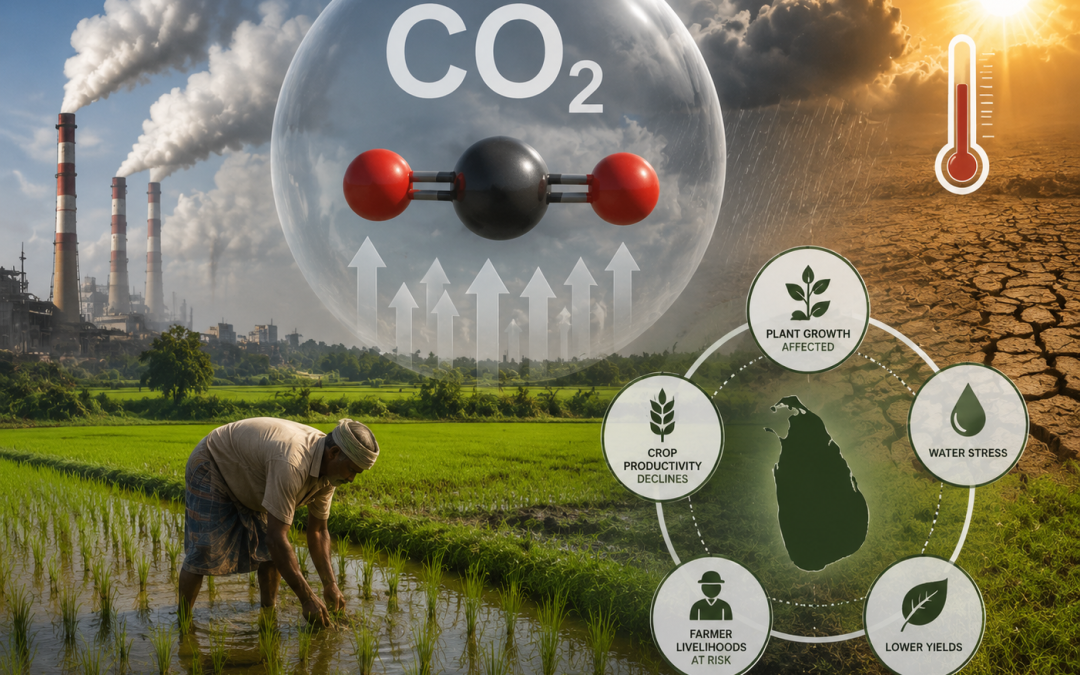
The World Meteorological Organization highlights that atmospheric carbon dioxide (CO₂) is now increasing at nearly three times the rate observed in the 1960s, underscoring the accelerating pace of climate change. A decade-long period from 2011 to 2020 saw an increase...
Sri Lanka is considered to be highly susceptible to adverse climate effects due to its unique geographical position and socio-economic conditions. Over the years, Sri Lanka has faced a range of climate hazards, including floods, droughts, cyclones, etc. The country’s...
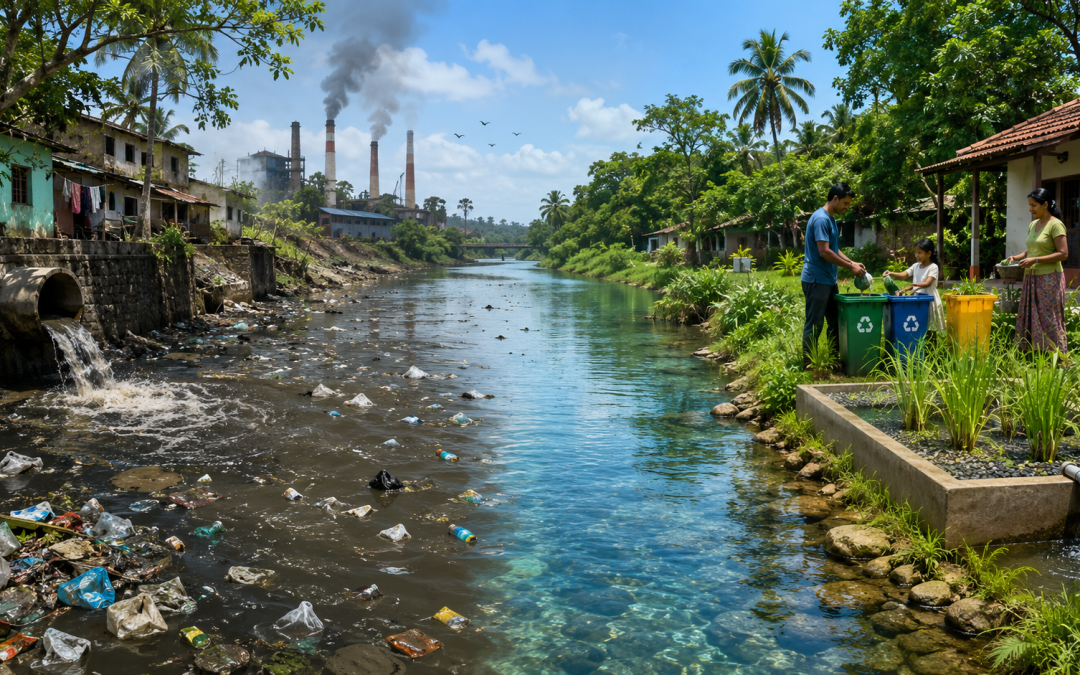
Water pollution is a pressing global issue that threatens ecosystems, human health, and sustainable development. In Sri Lanka, rapid urbanization, industrial expansion, and domestic waste mismanagement have contributed to significant water pollution. While industries...
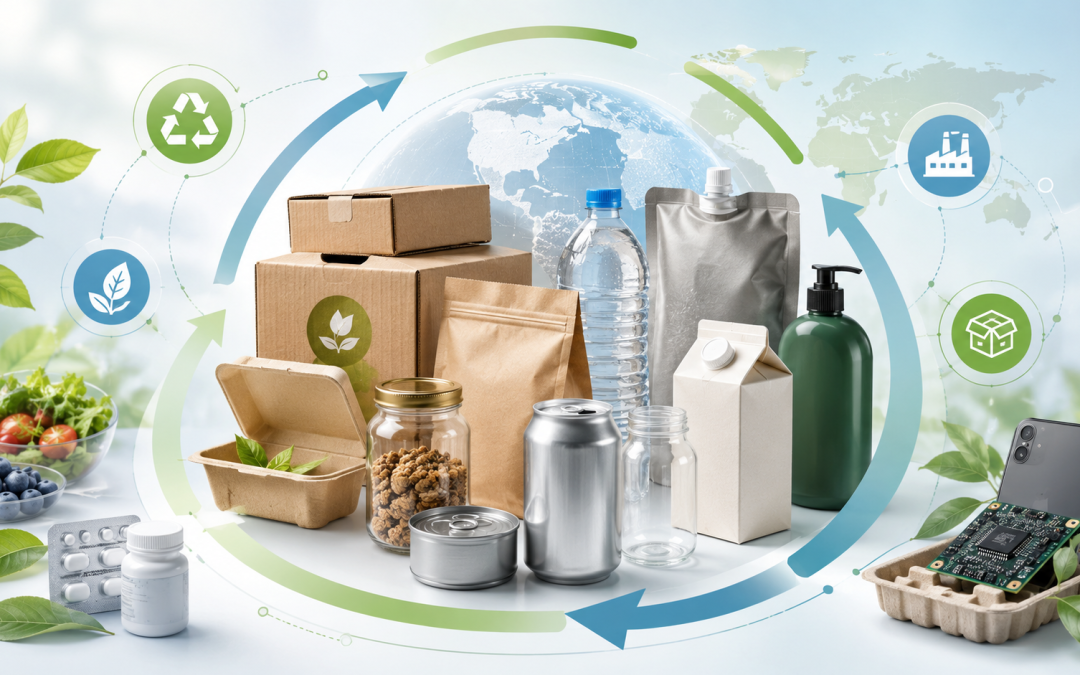
“Packaging is indispensable to product safety, preservation, branding, and transport. However, the linear model of “take-make-dispose” has rendered much of the global packaging stream unsustainable, with massive resource loss and post-consumer waste...