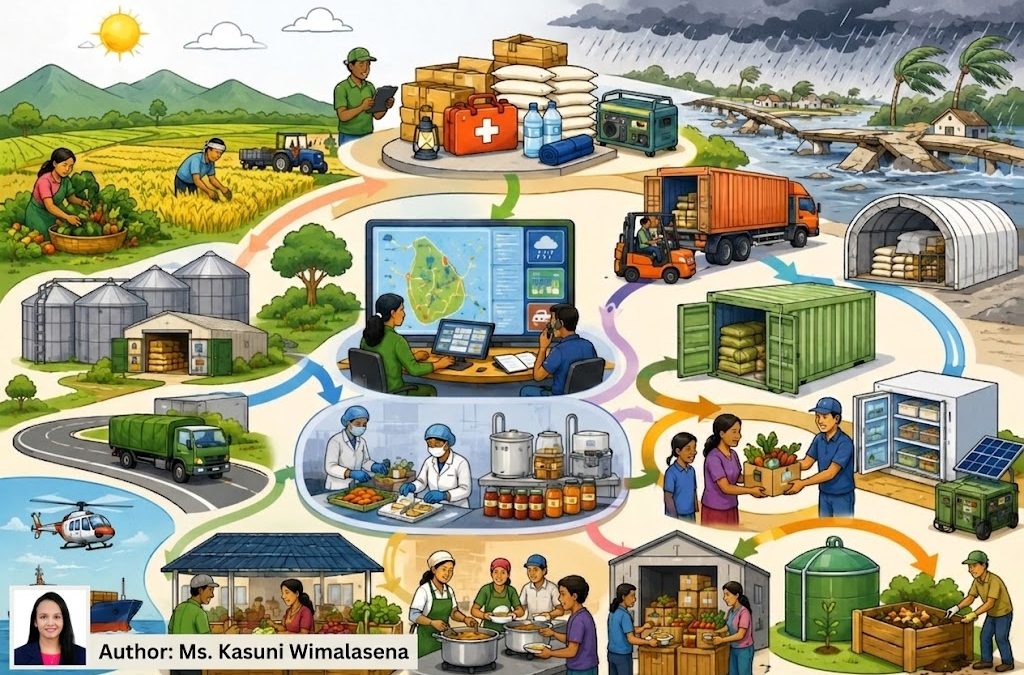
Sri Lanka is considered to be highly susceptible to adverse climate effects due to its unique geographical position and socio-economic conditions. Over the years, Sri Lanka has faced a range of climate hazards, including floods, droughts, cyclones, etc. The country’s...
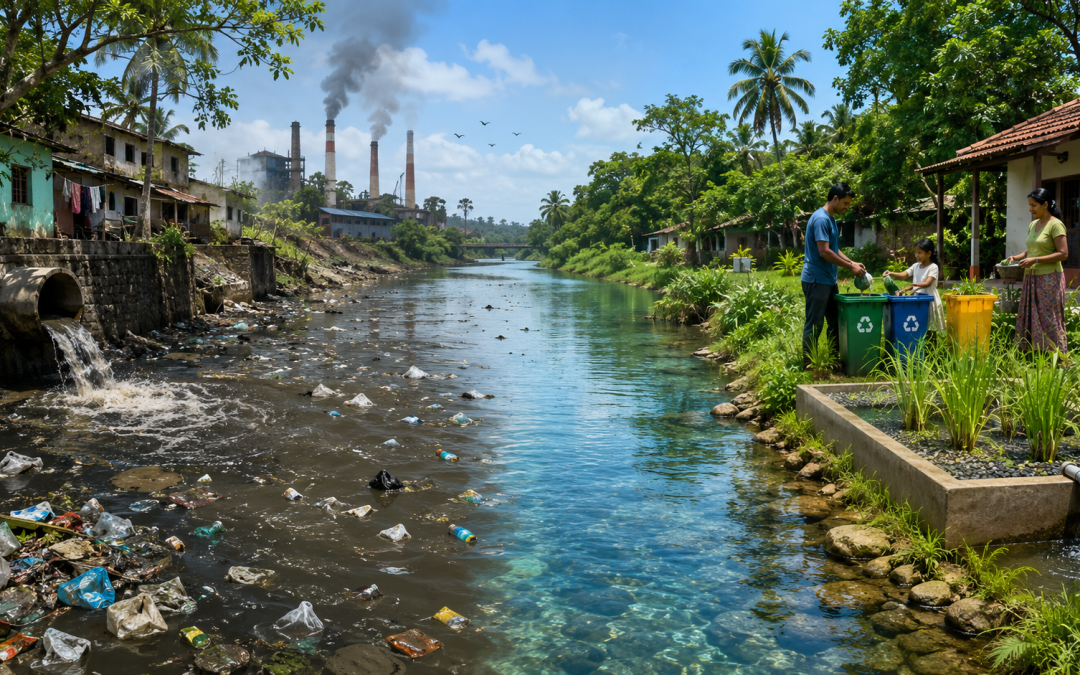
Water pollution is a pressing global issue that threatens ecosystems, human health, and sustainable development. In Sri Lanka, rapid urbanization, industrial expansion, and domestic waste mismanagement have contributed to significant water pollution. While industries...
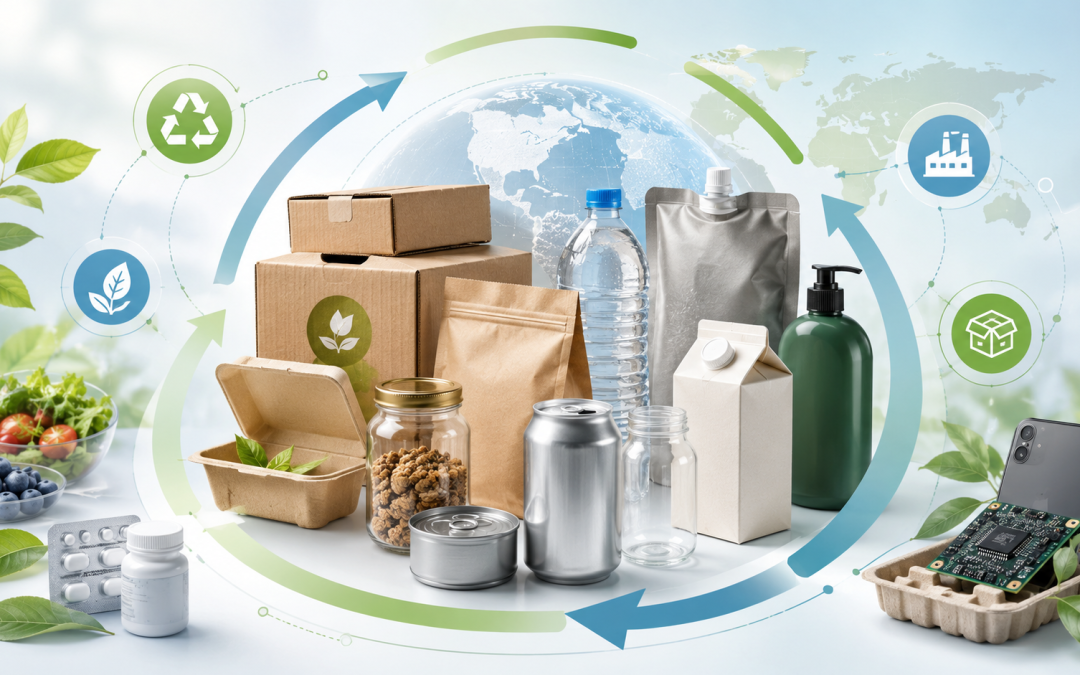
“Packaging is indispensable to product safety, preservation, branding, and transport. However, the linear model of “take-make-dispose” has rendered much of the global packaging stream unsustainable, with massive resource loss and post-consumer waste...
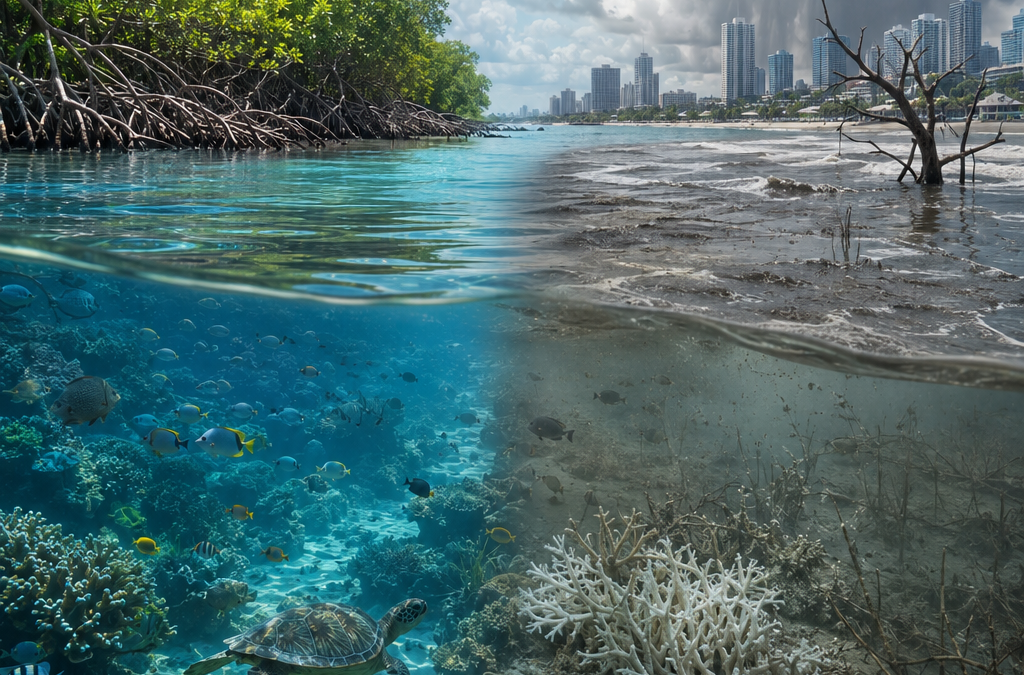
Climate change describes long-term shifts in weather patterns and average temperatures on Earth. It is mainly caused by human activities, predominantly the burning of fossil fuels, deforestation, and industrial processes that release greenhouse gases into the...
Sri Lanka’s natural heritage continues to reflect the importance of responsible environmental stewardship, and one such treasure, the Ambuluwawa Biodiversity Complex, is now the focus of a significant national initiative. Recognizing both the ecological and...
Each year on June 5th, the world comes together to celebrate World Environment Day, the largest international platform for environmental outreach led by the United Nations Environment Programme (UNEP). First observed in 1973 following the 1972 Stockholm Conference on...