A National Effort to Unlock Biodiversity and Eco-Tourism Potential – Ambuluwawa
Sri Lanka’s natural heritage continues to reflect the importance of responsible environmental stewardship, and one such treasure, the Ambuluwawa Biodiversity Complex, is now the focus of a significant national initiative. Recognizing both the ecological and...

World Environment Day 2025 – Let’s Beat Plastic Pollution Together
Each year on June 5th, the world comes together to celebrate World Environment Day, the largest international platform for environmental outreach led by the United Nations Environment Programme (UNEP). First observed in 1973 following the 1972 Stockholm Conference on...

The Potential and Challenges of Implementing Renewable Energy Sources in Sri Lanka
The exponential increase in energy demand is a direct consequence of the rapid growth of the global population and advancements in civilization. However, it is widely recognized that fossil fuels, despite being associated with significant environmental and health...

Vegetated Open Channel Flows as a Sustainable Water Management Strategy
Turbulent flows around bluff bodies have received significant research attention due to their relevance in a variety of engineering applications such as environmental and fluid engineering applications. These include flow over hydraulic structures such as bridge piers...

Evaluation of Energy Values of Invasive Water Weeds and Sawdust as an Alternative Source of Energy
At present renewable sources of energy such as solar, wind, geothermal and hydropower provide small fraction of energy need. The most prevalent source is biomass, which accounts around 12% of total energy requirement. This source of energy includes wood, logging...

Individual Action in Sustainable Development
Sustainable development is about establishment of long term benefits emphasizing the creation of healthier, economically stable and socially viable livelihoods for current and future generation. All countries have agreed to work towards achieving them by 2030. Most of...

Energy, Economy and Environment for future Energy Security and Sustainability
The fear of reaching the 1.5°C global warming limit before the decade ends is now a probable reality. The inevitable linkages and the impossibility of pursuing the issues of energy, economy and environment as separate actions and will inevitably impact on the...

Neleeshiya Speaks about sustainable water management and conservation..
Impacts of Green Revolution on Agro-ecosystem in Sri Lanka
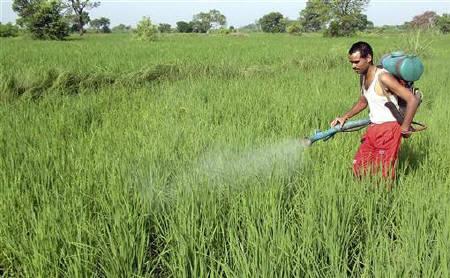
The green revolution started in the mid-20th century when Norman Borlaug developed an ultra-resilient strain of wheat in Mexico. He earned the title of “father of Green Revolution” and the Nobel Peace Prize for saving billions of the world's population from...
Biochar and Bamboo Industry
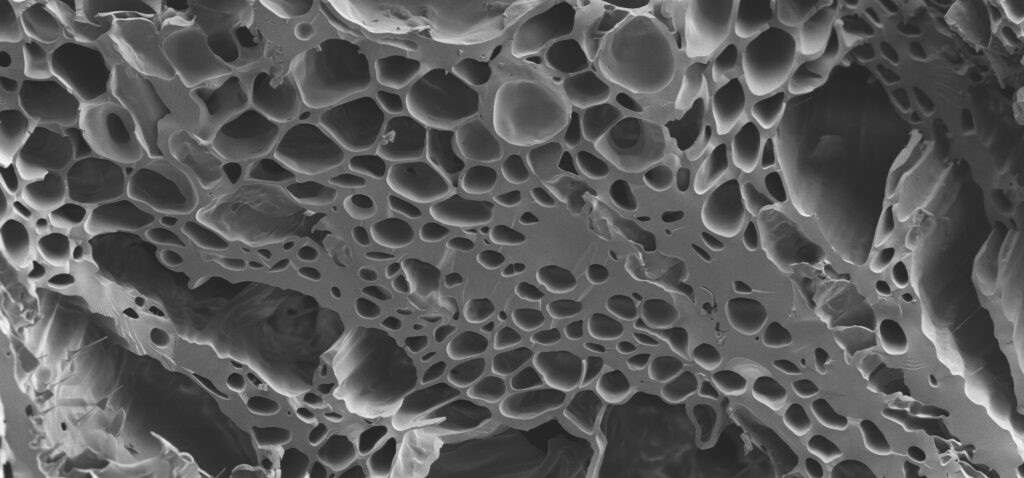
Biochar is a high carbon, the fine granular residue produced through pyrolysis. The direct thermal decomposition of biomass is in the absence of oxygen to prevent combustion and produces a mixture of solids (biochar), liquid (bio-oil), and gas (syngas) products....